

Table of Contents
Understanding Scandinavian Patterns

Scandinavian patterns often feature geometric shapes, nature-inspired motifs, and a focus on simplicity. Understanding these elements is key to effectively incorporating them into your decor.
Incorporating Patterns in Textiles

Use Scandinavian patterns in textiles such as cushions, throws, and rugs to add warmth and texture to your space. Opt for soft fabrics that complement a minimalist aesthetic.
Wall Art and Decor

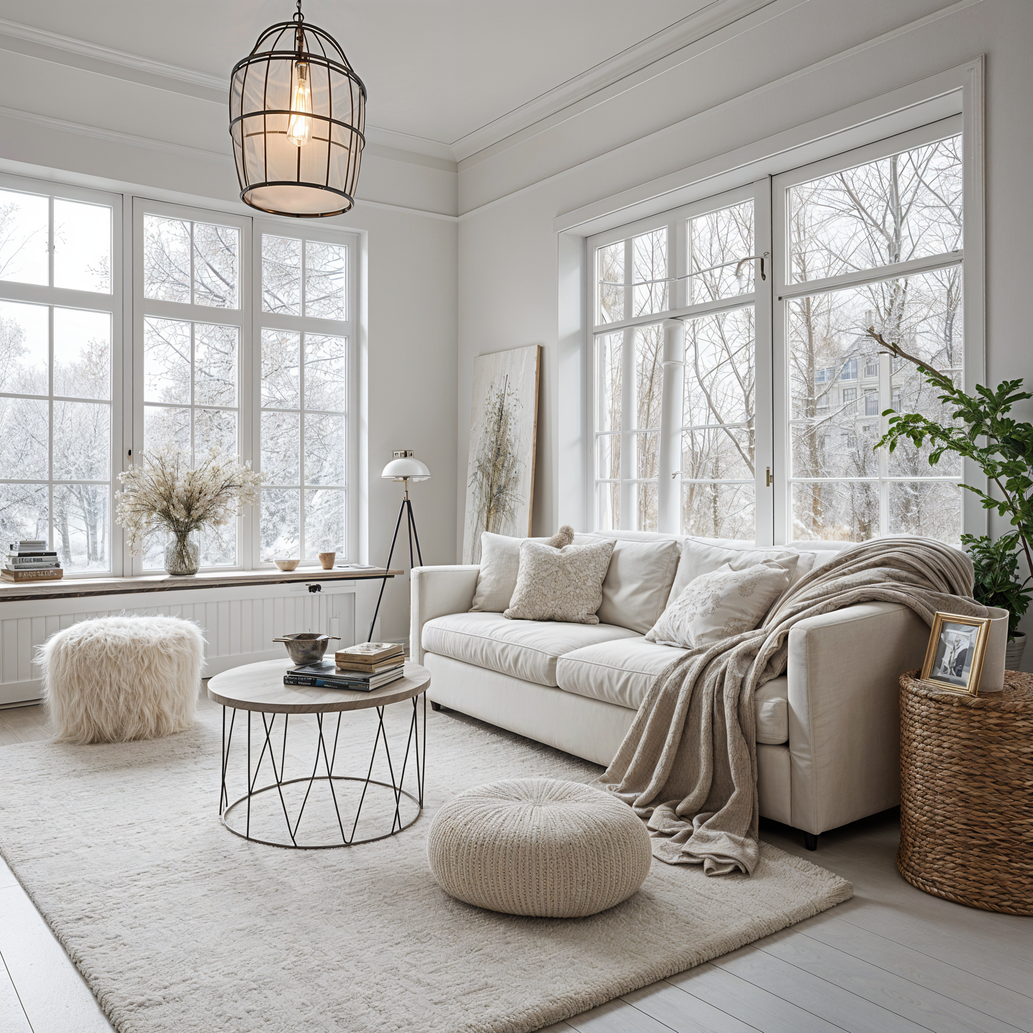
5 Essential Tips for Achieving a Sophisticated Monochromatic Look in Nordic Home Decor
Choose Your Base Color Wisely Selecting the right base color is crucial for a monochromatic look. Opt for neutral tones like whites, grays, or beiges that can serve as a... Keep Reading →
Incorporate Scandinavian patterns through wall art, such as prints or tapestries. Choose pieces that resonate with the overall color scheme of your room to maintain a cohesive look.
Furniture with Patterned Accents

Select furniture pieces that feature Scandinavian patterns, such as upholstered chairs or patterned tables. These can serve as focal points while still adhering to a minimalist style.
Layering Patterns

Layering different Scandinavian patterns can create visual interest. Mix and match various designs while keeping the color palette consistent to avoid overwhelming the space.
Using Patterns in Small Spaces

In small spaces, use Scandinavian patterns strategically to create a sense of depth and interest. Consider accent walls or small decor items to avoid clutter.
Outdoor Spaces with Scandinavian Flair

Extend Scandinavian patterns to outdoor spaces with patterned cushions, throws, and tableware. This can create a cohesive look that ties your indoor and outdoor areas together.
Accessorizing with Scandinavian Patterns

Accessorize your home with smaller items like vase, lamps, and decorative tray that feature Scandinavian patterns. These accents can enhance your decor without overwhelming the space.
Choosing the Right Color Palette

When using Scandinavian patterns, stick to a neutral color palette with occasional pops of color. This approach maintains the minimalist aesthetic while allowing patterns to shine.


